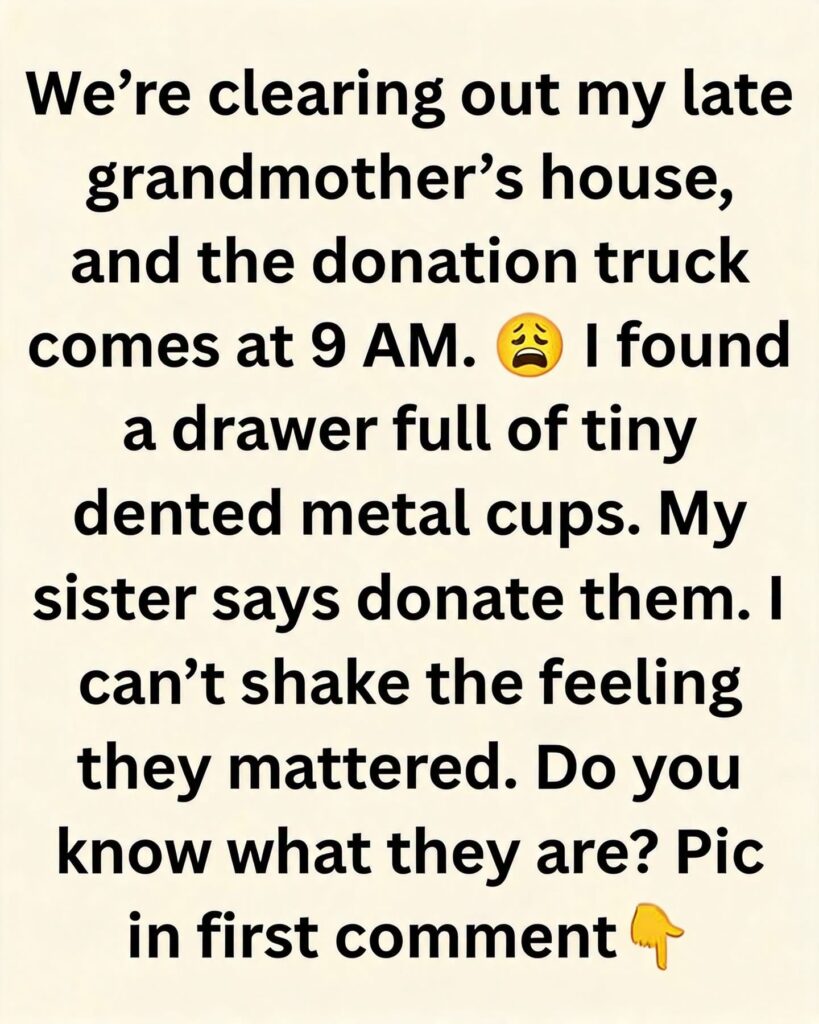
Have you ever discovered a small metal cup with tiny dents in an old sewing box and wondered what it was used for? That little object is called a sewing thimble, a traditional sewing accessory designed to protect your fingers while working with a needle and thread.
Although it may look like an ordinary metal cap, a thimble serves an important purpose. It helps prevent needle injuries and makes it easier to push a needle through thick or tightly woven fabrics.
Thimbles have been used for generations, but as clothing repairs and hand sewing have become less common in everyday life, many people no longer recognize this simple tool. Here’s a closer look at what a thimble does, how to use one, and why it was once a familiar household essential.
What Is a Sewing Thimble?
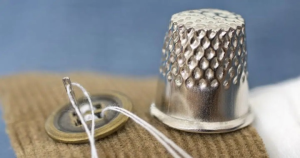
A sewing thimble is a small protective cover worn on a finger during hand sewing. Its main purpose is to prevent the needle from pressing directly into your skin when you push it through fabric.
Traditional thimbles are often made of metal, although modern versions are also available in plastic, leather, silicone, and other materials.
One of their most recognizable features is the pattern of small indentations covering the outside. These tiny dents are functional rather than decorative. They help hold the needle in position when pressure is applied, reducing the chance of it slipping sideways.
This design makes sewing more comfortable, particularly when working with thicker materials such as denim, canvas, or multiple layers of fabric.
The word thimble has historical roots connected to the Old English word for thumb. This connection reflects the tool’s long history and how sewing accessories have evolved over time.
How Do You Use a Sewing Thimble?
Using a thimble is relatively simple, even if you have never tried one before.
First, place it on the finger you naturally use to push the needle through the fabric. Many people prefer their middle finger, although others find the index finger or thumb more comfortable.
There is no universal rule about which finger must wear a thimble. The best choice depends on your sewing technique and personal comfort.
Follow these basic steps:
- Put on the thimble: Position it securely on the finger you use to apply pressure to the needle.
- Hold the needle: Grip the needle between your thumb and index finger.
- Position the needle: Guide its sharp point toward the fabric while placing the opposite end against the thimble.
- Push through the material: Apply gentle, controlled pressure using the protected finger.
- Continue stitching: Repeat the process as you work along the fabric.
A properly fitted thimble can make hand sewing easier and help reduce discomfort during longer sewing projects.
Why Is the Right Fit Important?
Choosing the correct size is an important part of using a thimble comfortably.
A thimble should fit securely without squeezing your finger. If it is too loose, it may move around or fall off while sewing. If it is too tight, it can become uncomfortable and interfere with normal finger movement.
When selecting one, consider the following:
- Comfort: It should feel natural when you bend and move your finger.
- Stability: It should remain in place during ordinary sewing movements.
- Material: Choose a material that feels comfortable and provides suitable protection.
- Size: Make sure the opening fits your finger without causing pressure.
If you are new to hand sewing, trying a few different styles can help you find one that feels easiest to use.
Different Types of Sewing Thimbles
Although metal thimbles are among the most familiar designs, they are available in several materials and styles.
Some common varieties include:
Metal thimbles: Traditionally made from brass, steel, or silver, these are durable options commonly associated with older sewing kits.
Leather thimbles: These provide a softer alternative and are often preferred by people who find rigid metal designs uncomfortable.
Plastic thimbles: Lightweight and generally affordable, plastic versions are useful for everyday sewing and occasional repairs.
Silicone thimbles: Flexible designs can offer a comfortable fit and are available in different shapes and sizes.
There are also specialized thimbles designed for particular sewing activities, including quilting, embroidery, patchwork, and dressmaking.
The best option depends on the type of work being done and the user’s personal preferences.
Why Did Almost Every Household Have a Thimble?
Before affordable ready-made clothing became widely available, sewing was an important everyday household activity.
People regularly made their own clothes, repaired damaged garments, replaced buttons, and adjusted clothing to fit properly. Hand sewing was a practical skill that many households relied on.
Because needles were used so frequently, protecting the fingers was important. A thimble was therefore a common item in household sewing baskets, often stored alongside scissors, thread, buttons, and spare needles.
Over time, clothing production and shopping habits changed. Mass-produced garments became more accessible, and many people began relying less on traditional hand-sewing techniques.
As a result, thimbles became less familiar to the general public. They are still widely used by people who enjoy quilting, embroidery, sewing, and clothing repairs, but they are no longer a regular household necessity for everyone.
Are Old Sewing Thimbles Collectible?
Some older thimbles are valued by collectors, especially those made from silver or featuring unusual designs and decorative details.
Antique examples may have distinctive patterns, engravings, or markings that reveal information about their age, manufacturer, or origin.
A well-used thimble may also show signs of wear. Over time, repeated contact with needles can gradually smooth some of the small indentations on its surface.
These details can make an old sewing accessory interesting to examine, particularly when it has been passed down through generations.
However, not every old thimble is valuable as a collectible. Its material, condition, age, maker, and design all influence its potential interest to collectors.
A Small Tool With a Practical Purpose
A sewing thimble may look like a simple piece of metal, but its design serves a useful purpose. By protecting the finger that pushes the needle, it makes hand sewing more comfortable and helps prevent accidental injuries.
Although modern clothing habits have made this traditional accessory less common, it remains an important tool for many sewing enthusiasts.
So, if you discover a small dimpled metal cap in an old sewing basket, you now know what it is. It is a thimble: a simple invention that has helped people sew more comfortably for generations.