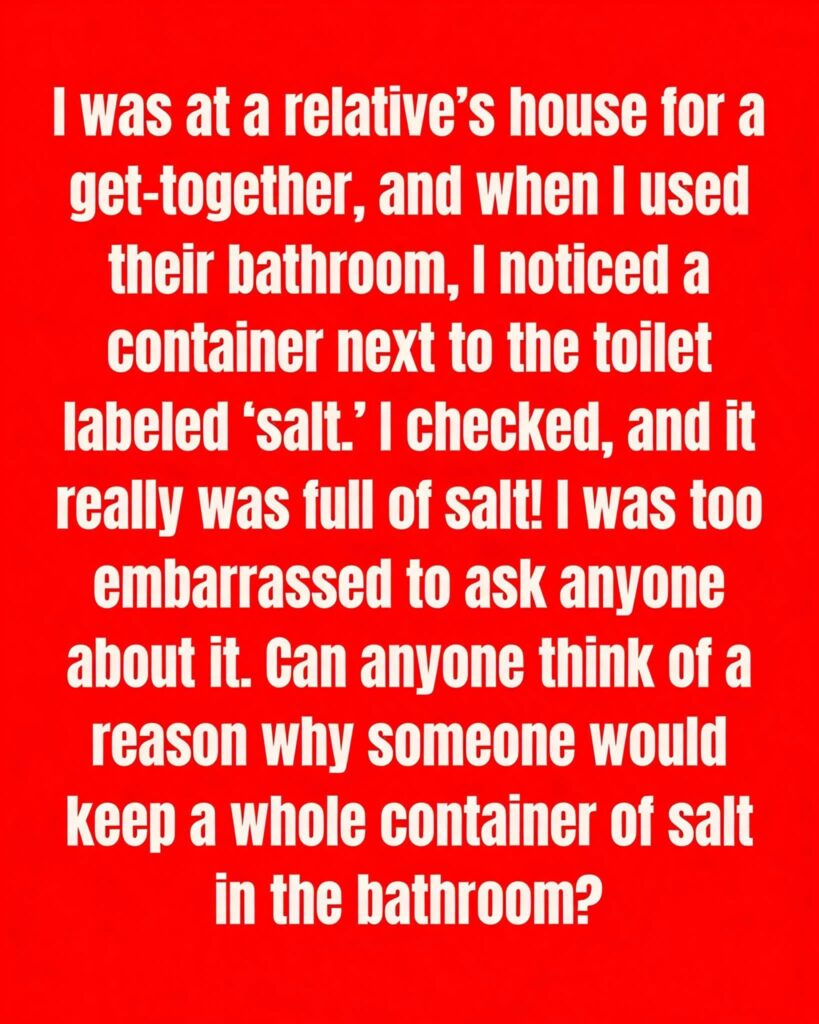
Homeowners often come across unusual household tips that promise to solve everyday problems. One example is putting salt in the toilet. Some people believe this simple household ingredient can help prevent tree roots from growing inside sewer pipes.
But is there any truth behind this popular plumbing suggestion?
Tree roots can cause serious problems for underground drainage systems, and understanding how they enter pipes can help homeowners recognize potential trouble early. Before trying a household remedy, it is worth learning what causes these blockages, what warning signs to watch for, and which solutions actually work.
Why Can Tree Roots Cause Plumbing Problems?
Trees naturally grow their roots in search of water and nutrients. Underground sewer lines can become an attractive source of moisture, particularly when pipes have cracks, damaged joints, or other openings.
Once roots find their way into a pipe, they may continue growing inside it. Over time, this growth can restrict wastewater movement and contribute to recurring drainage problems.
The issue is not necessarily caused by every tree near a home. Healthy, properly maintained pipes are less vulnerable than older or damaged plumbing systems.
However, when roots enter an existing opening, they can gradually make the problem worse.
Warning Signs of Tree Roots in Sewer Pipes
Tree root intrusion does not always produce obvious symptoms immediately. In some cases, homeowners may notice small changes in their plumbing before a major blockage develops.
Here are several warning signs worth paying attention to:
1. Toilets draining slowly
If your toilet takes longer than usual to empty, there may be an obstruction somewhere in the drainage system.
2. Repeated toilet backups
Frequent blockages, especially when ordinary plunging does not solve the problem, may indicate a deeper issue.
3. Gurgling sounds
Unusual bubbling or gurgling noises from toilets and drains can sometimes indicate restricted airflow or drainage problems.
4. Unpleasant sewer odors
Persistent sewage-like smells around drains or outside your property may suggest a problem with the plumbing system.
5. Multiple slow drains
When several drains throughout the home become sluggish at the same time, the main sewer line may need attention.
These symptoms can have different causes, so they should not automatically be attributed to tree roots.
Why Do People Recommend Putting Salt in the Toilet?
Rock salt is sometimes mentioned in online plumbing advice as a possible way to discourage root growth inside sewer pipes.
The suggestion usually involves adding approximately one cup of rock salt to the toilet and flushing it so that it travels through the drainage system.
The idea is based on salt’s ability to affect plant growth when present in sufficiently high concentrations.
However, this does not make it a dependable solution for tree roots growing inside sewer lines.
Salt cannot repair cracked pipes, remove established root blockages reliably, or address the underlying conditions that allow roots to enter plumbing systems.
For these reasons, homeowners should not rely on this method to maintain or repair their sewer lines.
Can Pouring Salt Into Your Toilet Cause Problems?
Although salt is a common household ingredient, using large amounts as a plumbing treatment is not necessarily harmless.
Depending on the quantity and where it travels, salt can contribute to environmental concerns, particularly when it reaches surrounding soil and affects nearby vegetation.
It is also important to remember that household plumbing systems are designed to carry wastewater, not serve as treatment systems for homemade chemical remedies.
Adding salt will not resolve a damaged sewer connection or eliminate an established obstruction.
If you suspect tree roots are affecting your drainage system, a professional inspection is a more appropriate next step.
What Actually Helps When Tree Roots Enter Sewer Pipes?
When roots have entered a sewer line, the correct treatment depends on the condition of the pipe and the extent of the obstruction.
A qualified plumber can inspect the system and recommend an appropriate solution.
Common professional approaches include:
Drain inspection cameras
Specialized cameras can travel through sewer pipes and help identify blockages, cracks, damaged joints, and root intrusion.
Professional root removal
Plumbers may use specialized equipment to remove roots that are obstructing the inside of a sewer pipe.
Pipe repairs
If roots entered through damaged sections, repairing or replacing the affected area may be necessary to prevent the problem from returning.
Preventive maintenance
Regular inspections can help identify developing plumbing problems before they become more expensive to address.
The best approach depends on the specific condition of the drainage system.
How Can Homeowners Reduce the Risk of Sewer Problems?
Although it is not possible to eliminate every plumbing risk, a few maintenance habits can help protect your home’s drainage system.
- Arrange plumbing inspections if your property has older sewer pipes.
- Pay attention to recurring slow drains and toilet backups.
- Avoid flushing wipes, sanitary products, paper towels, and other unsuitable materials.
- Be mindful of large trees planted close to underground sewer lines.
- Address unusual drainage noises and persistent odors rather than repeatedly ignoring them.
- Contact a qualified plumber when several fixtures show signs of drainage trouble.
Taking these precautions can help homeowners identify potential problems and avoid unnecessary damage.
When Should You Call a Plumber?
A single slow-flushing toilet does not necessarily mean your sewer line has a tree root problem. Sometimes, the cause is a simple blockage in the toilet itself.
However, professional assistance is recommended when you experience repeated backups, multiple slow drains, persistent sewer odors, or unexplained gurgling sounds.
If wastewater begins backing up into your home, stop using affected plumbing fixtures and contact a plumbing professional promptly.
A proper inspection can help determine whether the issue involves tree roots, damaged pipes, a blocked drain, or another plumbing concern.
Final Thoughts: Is Salt Really the Answer?
Putting salt in the toilet is a household tip that continues to circulate online, particularly in discussions about preventing tree roots from entering sewer pipes.
While salt can affect plant growth under certain conditions, flushing it through your toilet is not a proven or reliable way to remove roots or protect your plumbing system.
The more sensible approach is to recognize drainage warning signs, maintain your plumbing regularly, and seek professional advice when problems persist.
A little preventive attention can help homeowners avoid larger plumbing issues and keep their drainage systems working properly.