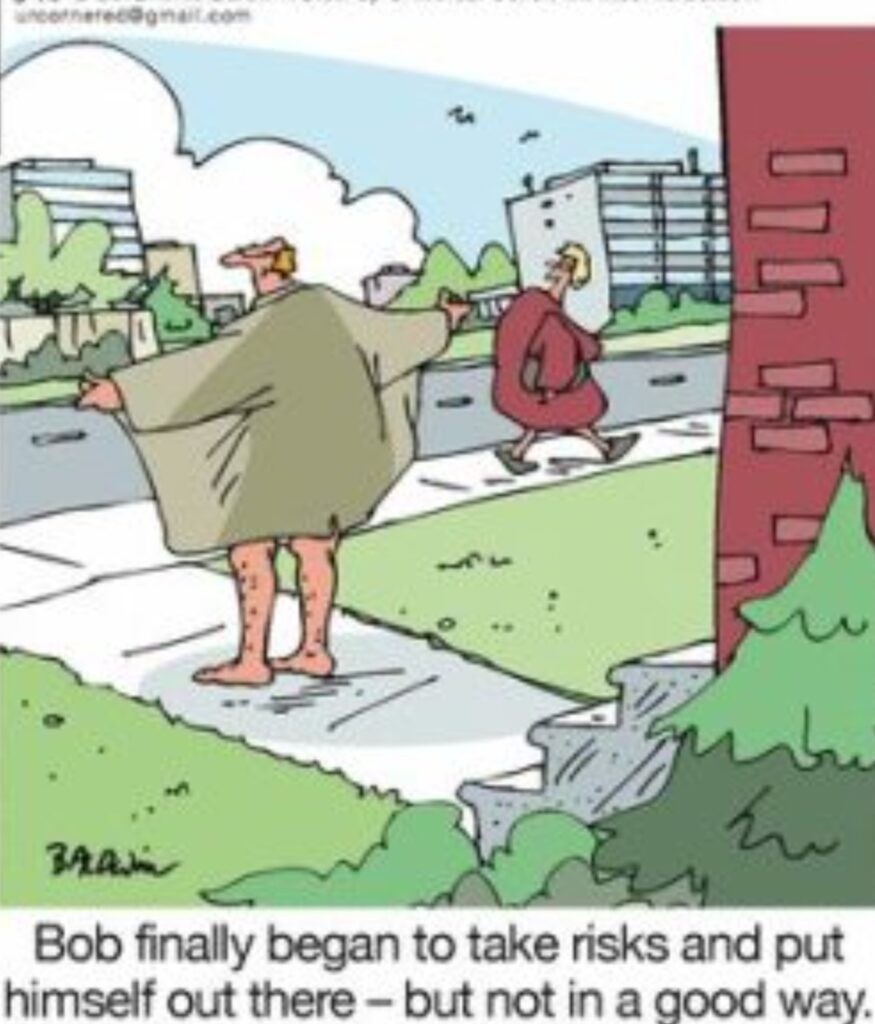
Active Recreation: Fun often looks like social gatherings, travel that balances comfort with adventure, and engaging in hobbies that provide a mental break from work.Community Impact: There is often a deep hope to see one’s efforts bear fruit in the community or within the family unit.
Life is often described as a book of different chapters, each with its own specific rhythm. While middle age is frequently characterized by “the grind,” old age shifts toward a period of reflection and legacy.Here is a breakdown of the shifting hopes, fun, and responsibilities across these two significant stages.
Middle Age: The Great Balancing Act
The transition from middle age to the “golden years” represents a profound shift in how we define joy and aspiration. Middle age, often spanning the 40s to 60s, is the era of high-octane ambition. Here, “fun” is frequently a hard-earned reward—a much-needed getaway, a vibrant social gathering, or the thrill of mastering a new professional skill. The hopes of this stage are centered on stability and growth: seeing children thrive, reaching the summit of a career, and building a lasting foundation for the future. It is a period of “doing,” where happiness is found in the successful management of life’s complex machinery.As one moves into old age, the pace shifts from a sprint to a meaningful stroll. Fun becomes more granular and sensory—the quiet satisfaction of a garden in bloom, a deep conversation with a grandchild, or the freedom to explore interests without the pressure of productivity. Hopes transition from accumulation to legacy and presence. The aging heart hopes for health, the preservation of memory, and the chance to witness the next generation’s milestones. While middle age seeks to conquer the world, old age seeks to understand and savor it, finding that the greatest hope of all is the simple, profound peace of being present in the moment.
1
2
3
4
5
6
7
8

9
10
11
13
14
15
16
17
18
19
20