From Playdates to Life Lessons: The Shift from Youthful to Mature Friendships
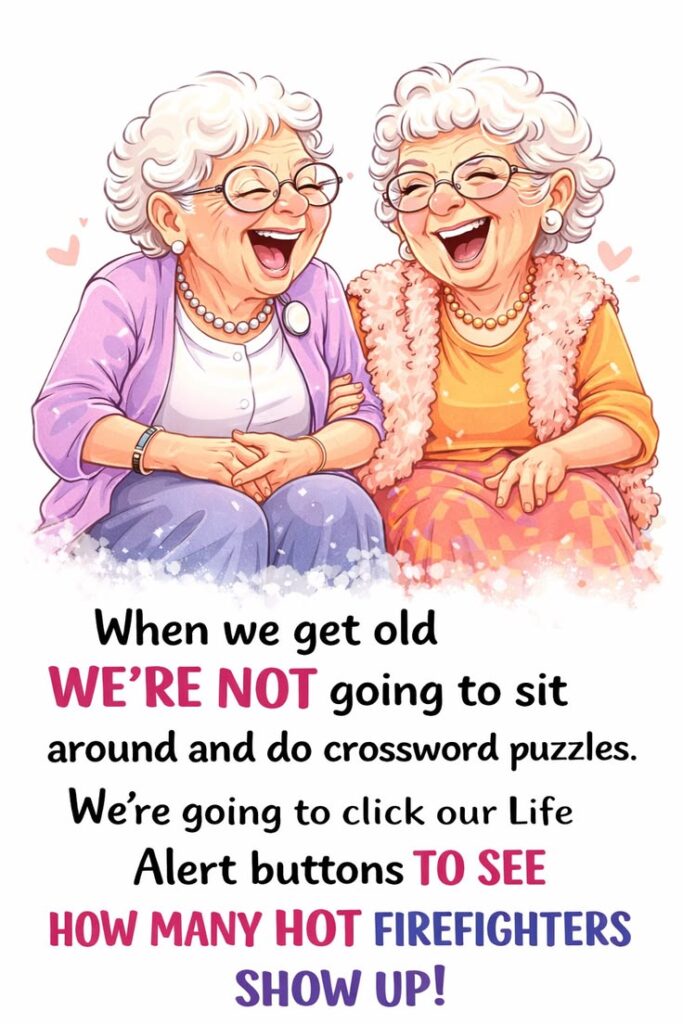
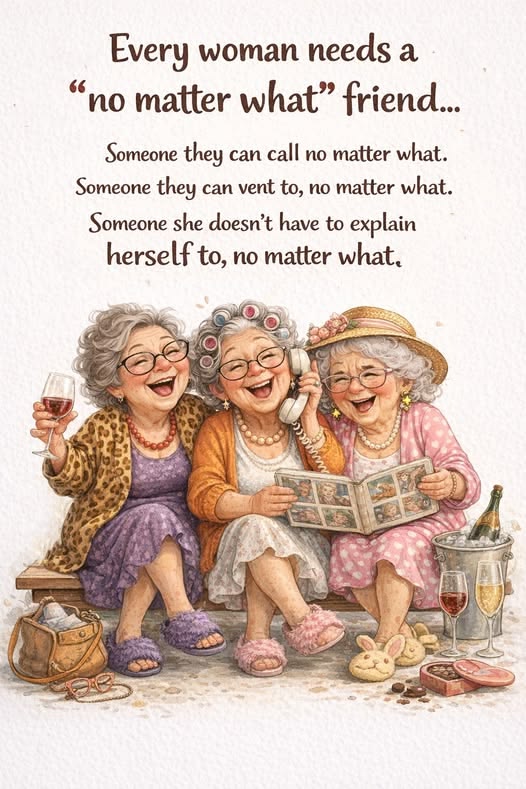
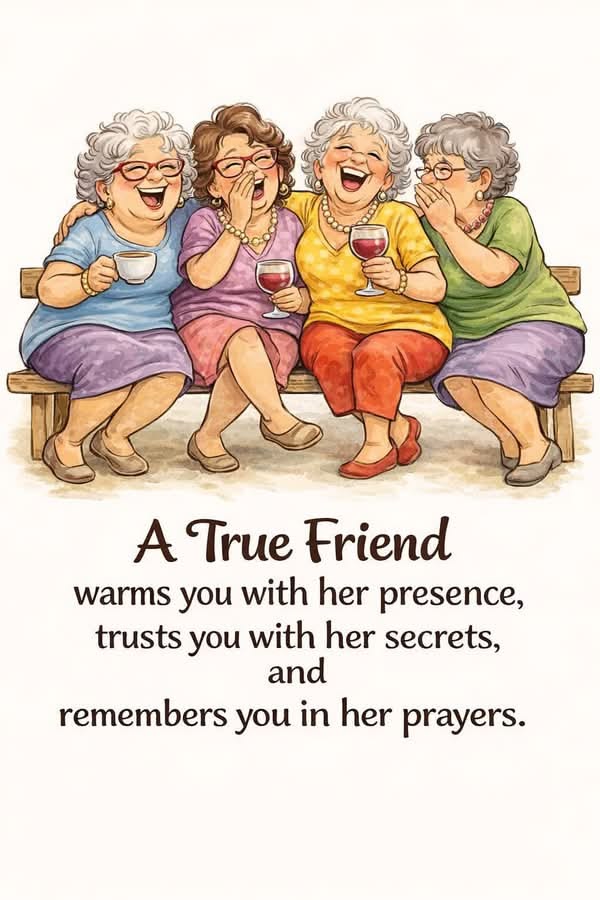
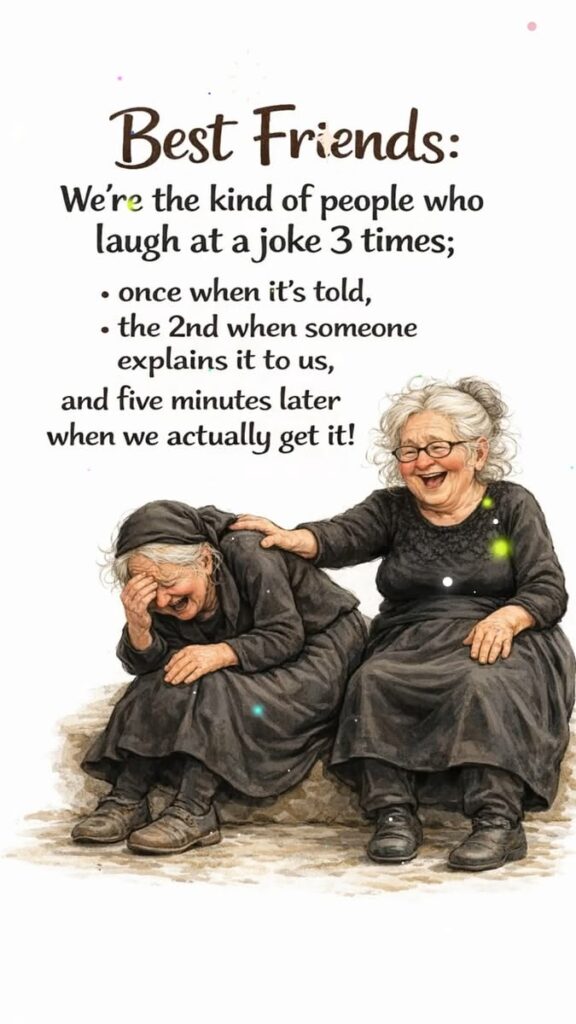
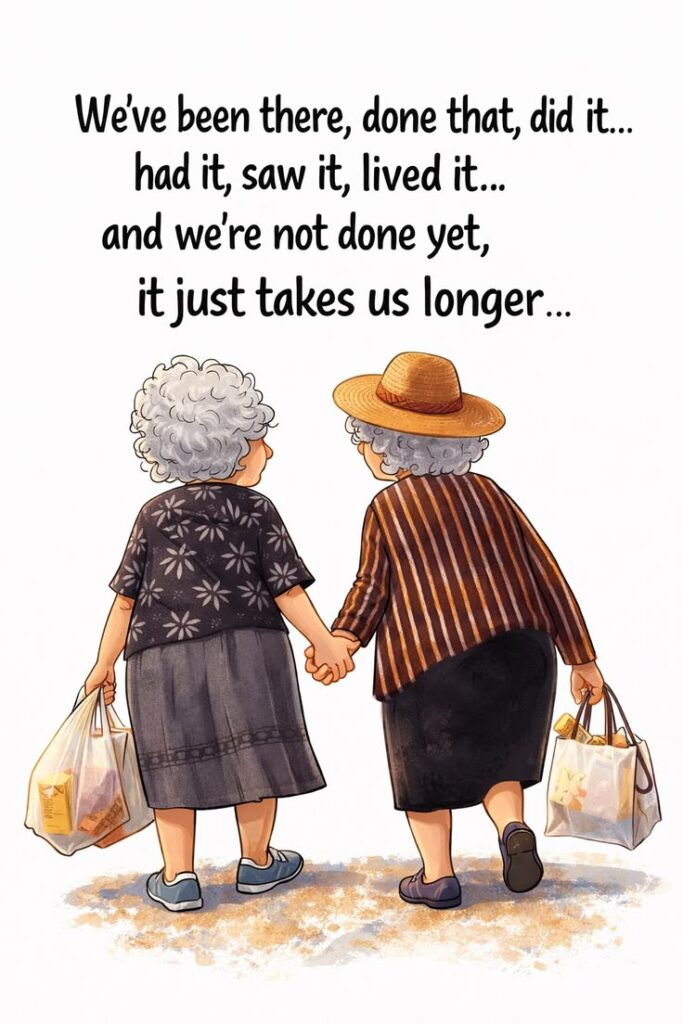
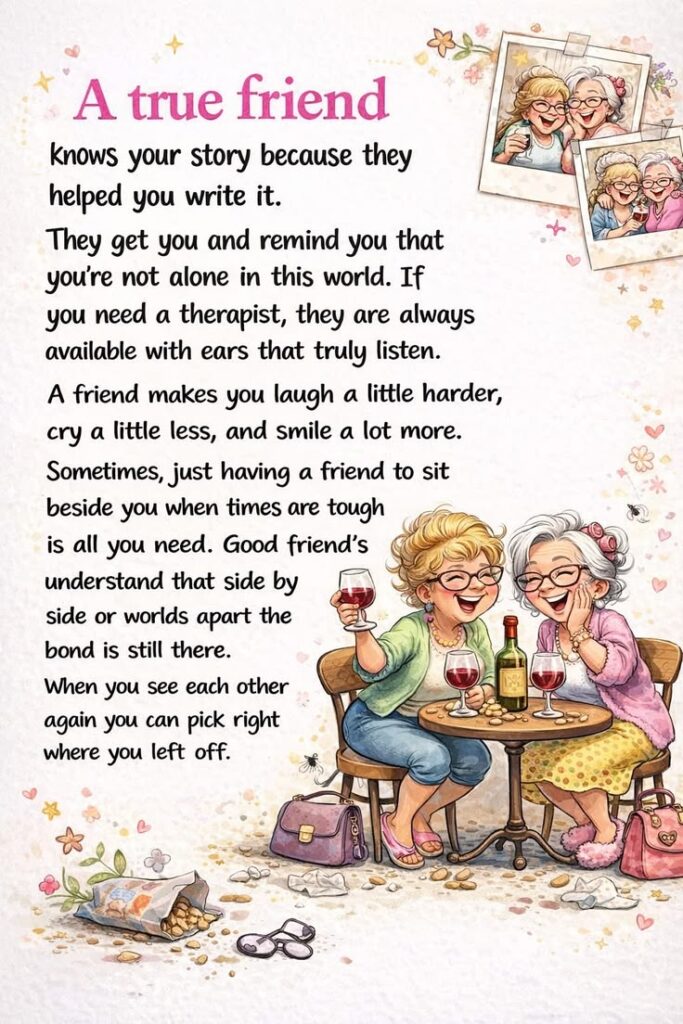
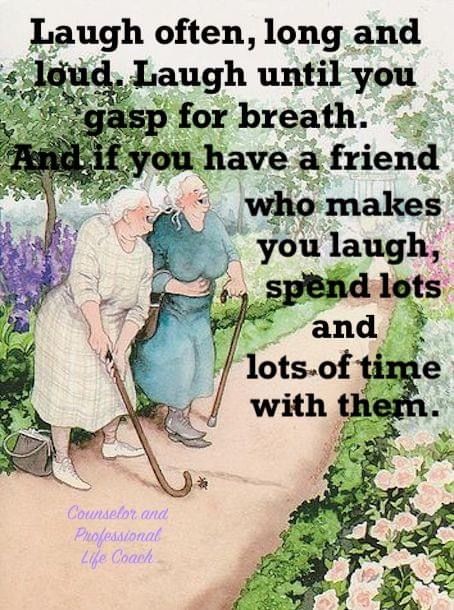
Friendship in middle age and old age carries a depth and quiet strength that often goes unappreciated. Unlike the fast-forming bonds of youth, these friendships are shaped by years of experience, loss, growth, and changing priorities. By middle age, people have usually faced career pressures, family responsibilities, and personal setbacks. Friendships that survive this phase are built on understanding rather than convenience. There is less need for constant contact and more appreciation for meaningful connection.In older age, friendship becomes even more valuable. As children grow up and professional roles fade, friends often fill the emotional space left behind. They provide companionship, shared memories, and a sense of belonging. Conversations may revolve around health, family, or the past, but they are enriched with empathy and patience.
The Chosen Family: Navigating Loss and Change Together
What makes these friendships unique is their authenticity. There is little pretense—people are more accepting of each other’s flaws and limitations. Simple acts, like a phone call or a visit, hold great significance. In a stage of life where loneliness can become common, friendship acts as a powerful support system, reminding individuals that they are not alone and that connection remains meaningful at every age.
1
2
3

4
5
6

7

8

9

10

11

12

13

14

15

16

17

18

19

20

21

22
23
24
25