
The priest promises to light a candle for her
“My goodness, Mary!” he says. “How have you been?” “Oh, could be better,” she says. “My husband Robert and I

“My goodness, Mary!” he says. “How have you been?” “Oh, could be better,” she says. “My husband Robert and I
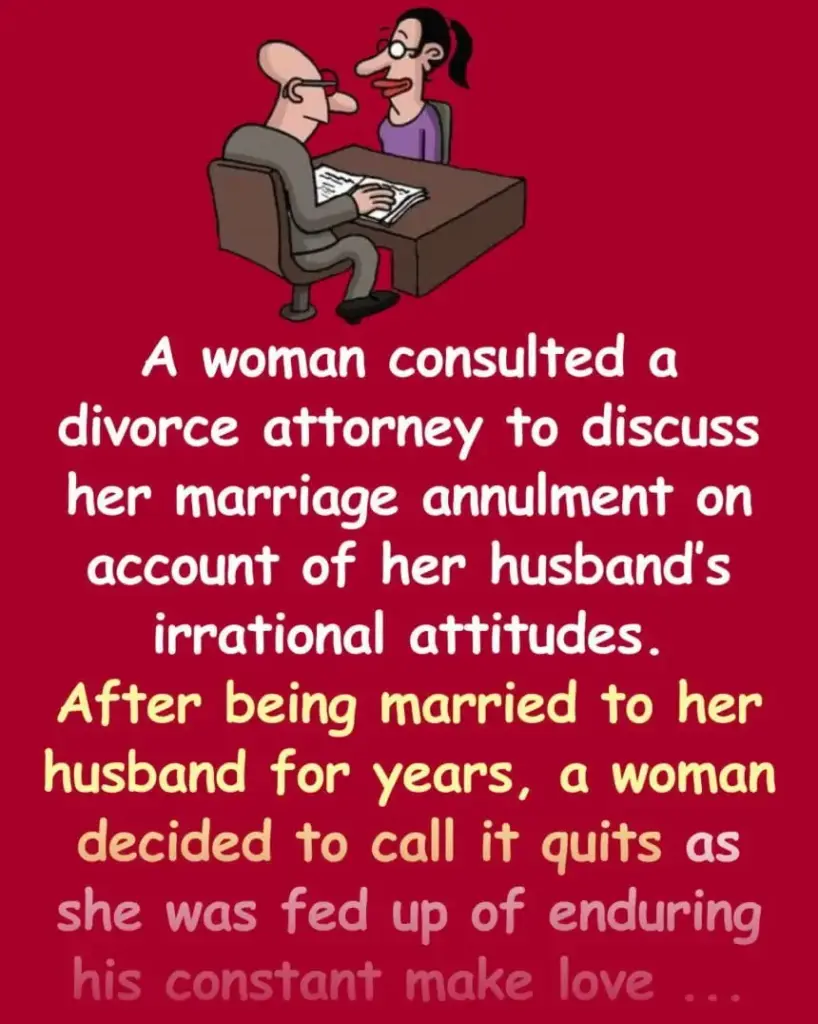
A woman consulted a divorce attorney to discuss her marriage annulment on account of her husband’s irrational attitudes. After being

My DIL asked if I could watch their two kids for a week. I quickly realized they weren’t interested in
Uncle Richard had never been an easy person to get along with. He was known throughout our family for his
Washing machines make household cleaning much easier. From clothes and towels to blankets and bedding, many everyday items can be

A quiet walk along the shoreline turned into an unexpected mystery when a pet noticed something unusual among the wet
Many household appliances continue to consumeelectricity even when they appear to be switchedoff. This often-overlooked energy usage iscommonly referred to as standby power or“vampire power.” While the electricity consumedby an individual device may seem insignificant,the combined usage of several appliances cangradually increase your monthly electricityexpenses. Everyday electronics, including televisions, coffeemachines, phone chargers, and gaming consoles,may continue drawing electricity as long as theyremain connected to an outlet. Some appliancesrequire a small amount of power to preserve theirsettings, keep digital clocks running, receiveincoming signals, or stay ready for immediateoperation. According to the source, standby power canrepresent as much as 10% of a household’s totalenergy consumption. This means that aconsiderable portion of your electricity expensesmay come from devices that you aren’t activelyusing. In other words, even when you’re not watchingtelevision, charging your phone, or playing videogames, some of your electronics may still beadding to your electricity bill. Which Appliances Should YouUnplug? You don’t necessarily have to disconnect everyelectrical appliance in your home to reduceunnecessary energy consumption. Certainessential devices, such as refrigerators andfreezers, must remain plugged in because theyneed a continuous electricity supply to operateproperly. Instead, it’s more practical to concentrate onelectronics that are used occasionally or remaininactive for long periods. Phone chargers, toasters, coffee makers,televisions, desktop computers, and gamingconsoles are examples of appliances that may bedisconnected when they’re not needed. Althoughtheir individual energy consumption varies,unplugging suitable devices can help preventunnecessary electricity usage. Another convenient option is to use a power stripequipped with an on/off switch. This allows you todisconnect several appliances simultaneouslywithout having to remove each individual plugfrom the wall. For example, you could connect your television,gaming console, speakers, and otherentertainment equipment to the same power strip.When you’re finished using them, switching offthe power strip can disconnect the entire group atonce. This simple arrangement makes managingelectricity consumption easier, particularly inrooms where several electronic devices areconnected to different outlets. A Simple Way to Reduce YourElectricity Bill Reducing standby power consumption doesn’thave to involve complicated routines or expensiveequipment. Making a habit of unpluggingunnecessary electronics can be an easy way tomanage household electricity usage. Before leaving your home or going to bed, take amoment to check whether certain appliances arestill connected despite not being in use. Chargers,kitchen appliances, entertainment systems, andother electronics are good places to start. You can also make a habit of checking yourpower strips and identifying which devicesgenuinely need to remain connected throughoutthe day. Over time, these small actions can become part ofyour normal household routine. Although unplugging a single device may notproduce a dramatic reduction in your electricityexpenses, consistently managing severalappliances can help limit unnecessaryconsumption. The savings will depend on thetypes of devices you own, how much standbyelectricity they use, and your local electricityrates. An Additional Safety Benefit Reducing unnecessary electricity consumptionisn’t the only potential advantage ofdisconnecting unused appliances. It can also helpminimize certain electrical safety risks. Damaged power cords, aging electronics,defective plugs, and faulty wiring can createdangerous situations, including potential electricalfires.
Disagreements over fences between neighborscan sometimes begin before construction evengets underway. One frequently debated issue isdeciding which side of a newly installed fenceshould face each property. More specifically,homeowners often disagree over who shouldreceive the smoother, more attractive finishedside. Although this may appear to be aninsignificant detail, it can quickly lead tofrustration, misunderstandings, and even long-lasting tension between people living next door toeach other. Fences serve several important functions arounda property. They can provide privacy, improvesecurity, mark property boundaries, andcontribute to the overall appearance of a home.However, the way a fence is designed andinstalled can influence how both homeowners feelabout the finished result. In most traditional fence designs, one side has asmoother and more polished appearance, whilethe opposite side reveals the supporting posts,horizontal rails, and other structural components.This difference can make one side lookconsiderably more appealing than the other. Many homeowners prefer positioning the finishedside toward the street or their neighbor’s propertybecause it creates a cleaner and more attractiveappearance. In certain neighborhoods, thisarrangement is viewed as a customary gesture ofpoliteness and consideration. However, othersargue that whoever purchases and pays for theinstallation should have the final say regarding thefence’s direction. The disagreement becomes more complicatedwhen neighboring homeowners have differentexpectations. One person might believe thatdirecting the finished side outward is simply thecourteous thing to do, while the other may haveconcerns about privacy, property value, upkeepresponsibilities, or how the fence will look frominside their own yard. Local building regulations and homeownersassociations can also play an important role indetermining how a fence should be installed.Some communities establish specific guidelinescovering fence height, approved materials,placement, and even which direction the finishedside must face. Overlooking these requirementscould lead to complaints, unexpected expenses,or demands to change a fence after constructionhas already been completed. Before purchasing supplies or arranging forprofessional installation, homeowners should takethe time to confirm their property boundaries.Examining existing property surveys andreviewing local construction requirements canhelp prevent disagreements involvingencroachment, shared boundaries, andunauthorized installations. Good communication is just as important asproper planning. Speaking with neighbors aboutproposed fence installations beforehand giveseveryone an opportunity to express theirconcerns, discuss individual preferences, andfind a mutually acceptable arrangement beforetensions develop. Sometimes, a straightforwardconversation can prevent misunderstandings thatmight otherwise become expensive andunpleasant disputes. Ultimately, deciding which neighbor shouldreceive the finished side of a fence should involveconsideration, fairness, and practical judgmentrather than assumptions or personaldisagreements. Taking time to plan theinstallation, respecting property rights, andmaintaining open communication can transform apotentially divisive project into a worthwhileimprovement that benefits everyone involved. Why Discussing Fence PlansBefore Construction Matters A fence may appear to be a simple addition to aproperty, but its installation can affect therelationship between neighbors for years. Whatbegins as a disagreement about appearance cangradually develop into a larger dispute involvingproperty boundaries, construction expenses,privacy, and personal expectations. One homeowner might believe the arrangement isperfectly reasonable, while the person living nextdoor may feel that their concerns were ignored.When neither side is willing to discuss the issuecalmly, even a relatively small disagreement canbecome unnecessarily complicated. This is why discussing expectations beforeconstruction begins is often the most practicalapproach. Homeowners can start by discussing theproposed design, the materials being considered,the location of the fence, and the direction inwhich the finished side will face. If both partieshave preferences, comparing the availableoptions beforehand may help them reach anarrangement that feels fair. It is also worth remembering that not every fencedesign has the same appearance on both sides.Some modern fencing styles are manufacturedwith a finished appearance on both sides, whichmay eliminate the disagreement altogether.Although these options can sometimes cost more,they may provide a practical alternative whenneighboring homeowners cannot agree on atraditional design. Another important consideration is maintenance.Different fencing materials require different levelsof care, and homeowners should understand whowill be responsible for maintaining the structure.This is particularly important when a fence ispositioned along or near a shared propertyboundary. Property ownership should never be assumedsimply because a fence separates two yards.Homeowners should confirm where their propertylines are located and understand the applicablelocal requirements before making decisions aboutconstruction or shared expenses. In some circumstances, speaking with a fencingcontractor or local building official can help clarifyinstallation requirements and identify potentialproblems before work begins. Ultimately, a fence should provide privacy andimprove a property’s appearance without creatingunnecessary hostility between the people livingnearby. A little consideration before constructioncan make a considerable difference afterward. Sometimes, the most important part of building afence isn’t deciding how it should look, butmaking sure the people on both sides can livecomfortably with the decision.

I didn’t expect to see a life quietly break and mend again under fluorescent lights. One tired mother, one brave

A MAN IS IN A BAR AND READY TO TAKE A DRINK OF HIS WHISKEY WHEN A NUN COMES UP