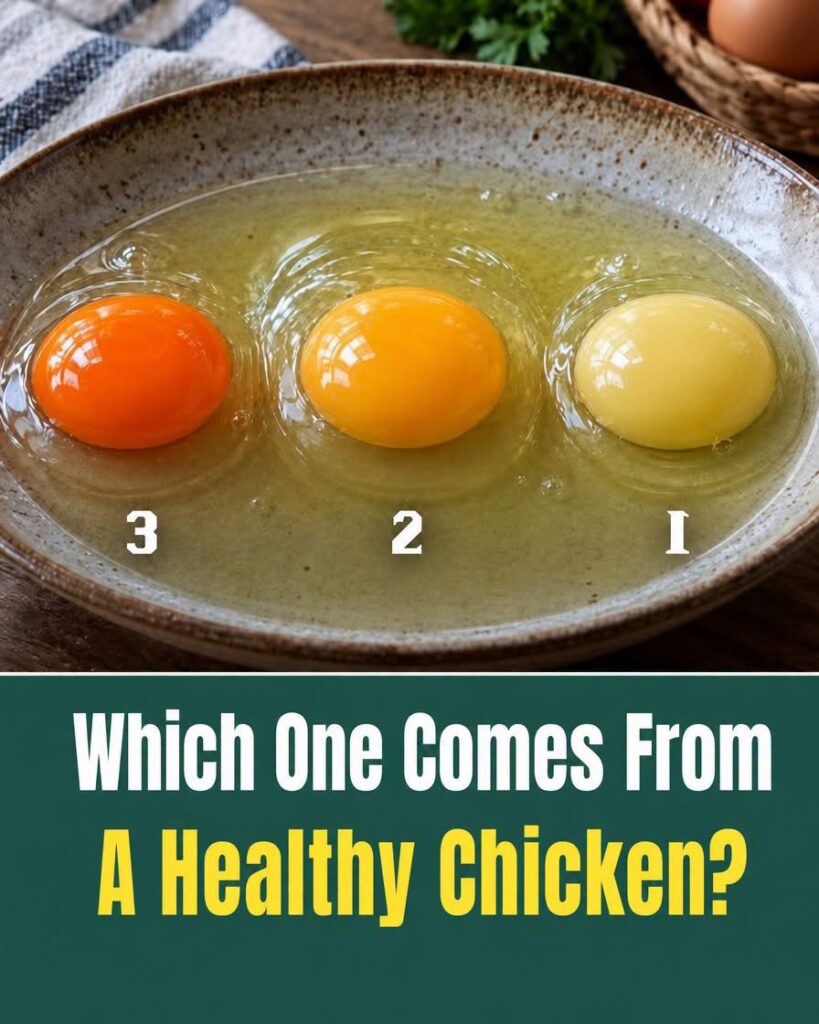
We have all stood in the grocery store aisle, peering through the cardboard window of an egg carton, playing amateur food critic. We tilt the box to catch the light, scrutinizing the pale yellows against the deep, fiery ambers. We have been conditioned to believe that color is a shortcut for quality—that a deeper, more vibrant orange yolk must mean a healthier hen, a cleaner pasture, and a significantly more nutritious breakfast.
It is a compelling narrative, reinforced by rustic marketing imagery of sun-drenched farms and happy, free-roaming chickens pecking at lush green meadows. But the truth behind yolk color is far more nuanced, scientifically fascinating, and occasionally deceptive than the marketing campaigns would have you believe.
The Science of Shade: What Actually Controls Yolk Color?
To understand why yolks vary in color, we have to look inside the chicken’s diet. Yolk color is, above all, a direct reflection of what the hen eats—specifically, fat-soluble plant pigments known as carotenoids.
Carotenoids are naturally occurring pigments found in plants, algae, and some fungi. When a hen ingests foods rich in these compounds, her digestive system absorbs the pigments and deposits them directly into the developing yolk.
- Xanthophylls and Carotenes: These are the primary carotenoids responsible for yellow and orange hues.
- Natural Sources: Grass, alfalfa meal, corn, clover, and marigold petals are packed with these pigments. If a hen grazes freely on a vibrant pasture, her body processes these plants, resulting in a rich, warm, golden-orange yolk.
- Alternative Diets: Conversely, if a commercial hen’s primary diet consists of pale grains like white corn, wheat, or barley—which contain far fewer carotenoids—her yolks will naturally be a much paler, buttery yellow.
Can You Trust Your Eyes? The Illusion of the Orange Yolk
Here is where the illusion begins to crack. While a dark orange yolk can be the signature of a pasture-raised hen living her best life outdoors, it is not a foolproof guarantee.
In modern industrial farming, feed formulations are meticulously engineered. Farmers and feed manufacturers know that consumers prefer deep orange yolks. To meet this aesthetic demand without necessarily moving hens to open pastures, they can adjust the feed. By adding natural or synthetic pigment additives—such as concentrated marigold extract, paprika oleoresin, or even synthetic carotenoids like canthaxanthin—producers can artificially dial in any shade of orange they desire.
In short: A dark orange yolk can be the result of a sunlit pasture, or it can be the result of a clever feed additive. The color pleases your eyes, but it tells you very little about the biological reality of the hen’s daily existence.
Nutritional Reality: Pale Yellow vs. Sunset Orange
When consumers pay double or triple the price for “pasture-raised” or “deep-orange” eggs, they are usually doing so under the assumption that they are buying a vastly superior nutritional product. But what does the science say?
When nutritionists analyze the macronutrient and core micronutrient profiles of pale yellow commercial eggs versus dark orange farm-fresh eggs, the results are remarkably consistent:
- Protein: Both types contain roughly 6 grams of high-quality protein per large egg.
- Vitamins: Essential micronutrients like Vitamin B12, Vitamin D, and choline remain strikingly similar across the board.
- Minerals: Selenium and iron levels show minimal variance based purely on color.
Where the Nutritional Needle Actually Moves
While the basic nutritional framework remains stable, diet does influence certain specific micronutrients. Pasture-raised hens that consume fresh grass, bugs, and worms often produce eggs with:
- Higher levels of Omega-3 fatty acids.
- Elevated concentrations of Vitamin A and Vitamin E.
- Lower ratios of inflammatory Omega-6 to anti-inflammatory Omega-3 fatty acids.
However, these nutritional upgrades are driven by the wholeness and diversity of the forage and lifestyle, not by the carotenoid pigments that make the yolk look dark. An egg can have a moderately deep orange color from marigold petal extract added to a strictly indoor feed formula, yet lack the elevated Omega-3 profile of a true pasture-raised egg.
What Truly Matters: Beyond the Shell and Yolk
If yolk color is an unreliable narrator, how are we supposed to evaluate an egg? What truly separates a genuinely wholesome, high-quality egg from a questionable one is largely invisible when you crack it onto a hot skillet.
To find a truly healthy egg, you have to look past the superficial aesthetics and consider four critical pillars of egg production:
1. The Quality of the Feed
A healthy hen requires a balanced, wholesome diet. Look for labels that indicate vegetarian feed, non-GMO verification, or organic certification. Organic feed ensures that the grains consumed by the hens were grown without synthetic pesticides, herbicides, or chemical fertilizers, keeping those toxins out of the food chain entirely.
2. The Living Environment and Animal Welfare
How a hen lives profoundly impacts her stress levels, immune system, and overall health—which in turn affects the biological integrity of the egg.
- Battery Cages: Cramped, stressful, and entirely unnatural environments where hens never feel the earth beneath their feet.
- Cage-Free and Free-Range: Improvements in space, though “free-range” definitions can sometimes be legally loose, occasionally meaning only modest access to an outdoor patch.
- Pasture-Raised: Generally considered the gold standard for animal welfare. These hens spend their days outdoors on living pastures, scratching, foraging, catching insects, and soaking up natural sunlight.
3. Farm Hygiene and Biosecurity
A clean farm is essential for preventing foodborne pathogens like Salmonella. Responsible farmers maintain pristine nesting boxes, collect eggs frequently, and practice rigorous sanitation without resorting to over-medication or harsh chemical washes that strip away the egg’s natural protective bloom.
4. Egg Freshness
Age changes everything. As an egg ages, its internal moisture evaporates through the porous shell, the air cell grows larger, and the structural integrity of the white degrades. A truly fresh egg features a thick, gelatinous white that stands tall in the pan and a firm, rounded yolk that does not easily rupture.
Navigating Grocery Store Labels: Decoding the Marketing Speak
The egg aisle is a masterclass in strategic food marketing. Terms are frequently weaponized to make consumers feel virtuous about their purchases while charging premium prices for minimal welfare improvements. Let clear definitions guide your wallet:
- Conventional: Standard cage-raised hens. Low cost, high density, minimal oversight regarding outdoor access or lifestyle enrichment.
- Cage-Free: Hens are not confined to battery cages, but they are typically housed in large, indoor multi-tier aviaries. They can walk around, but they rarely see the sun.
- Free-Range: Implies cage-free living with someaccess to the outdoors, though the duration and quality of that outdoor access are loosely regulated.
- Pasture-Raised: The gold standard. Hens live outdoors on managed pastures with generous square footage per bird (often 108 square feet or more), where they forage naturally.
- Certified Organic: Regulated by strict agricultural standards. Feed must be organic and non-GMO, and hens must have outdoor access, though the quality of that outdoor space can vary.
Conclusion: Making Smarter Choices at the Market
The color might seduce you, but the unseen details decide what you are actually bringing home. When you reach for your next carton of eggs, remind yourself that nature does not standardize color, and a vibrant sunset orange is just as easily manufactured in a laboratory as it is grown in a sunlit meadow.
To support true animal welfare, sustainable farming practices, and optimal nutrition, stop staring at the yolks through the cardboard window. Invest your money in transparency, labels that guarantee genuine pasture access, and farmers who prioritize the holistic well-being of their flock. Your breakfast—and your conscience—will taste all the better for it.