The Secret Sleeping Habits of Bees
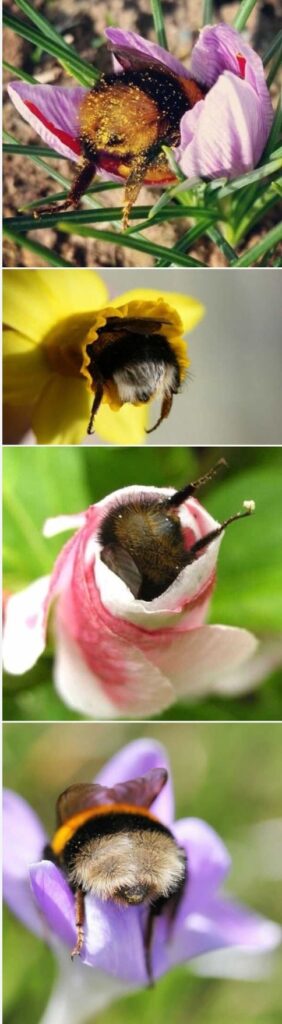
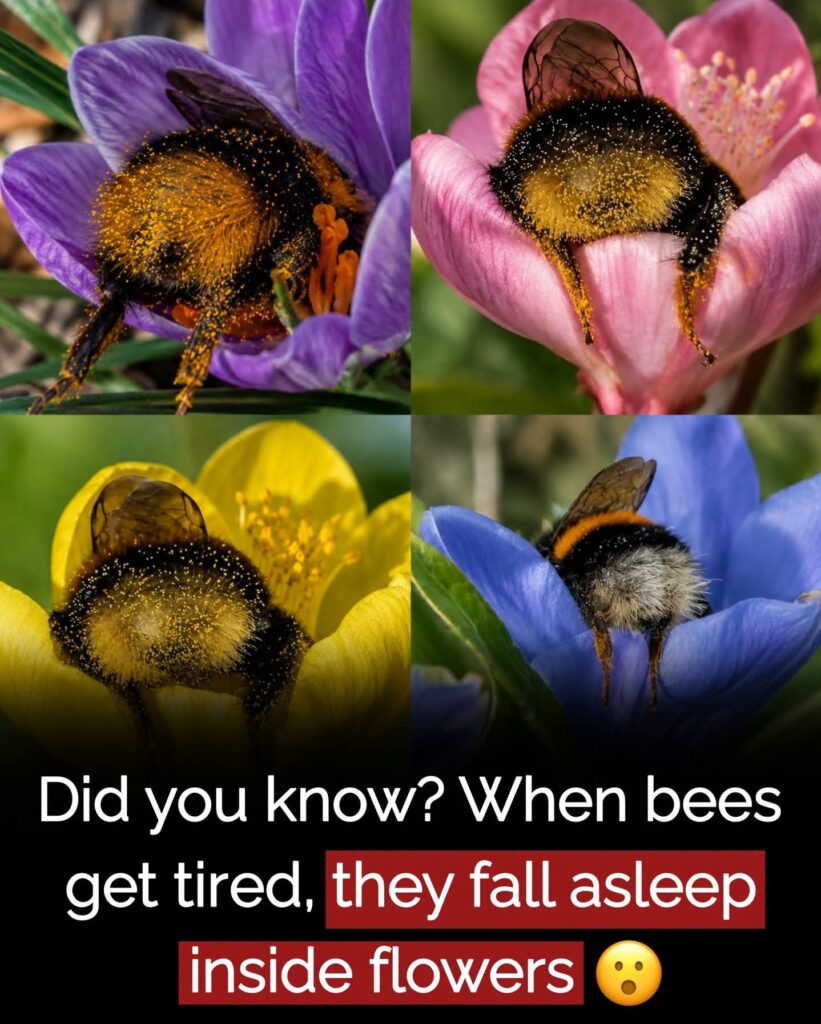
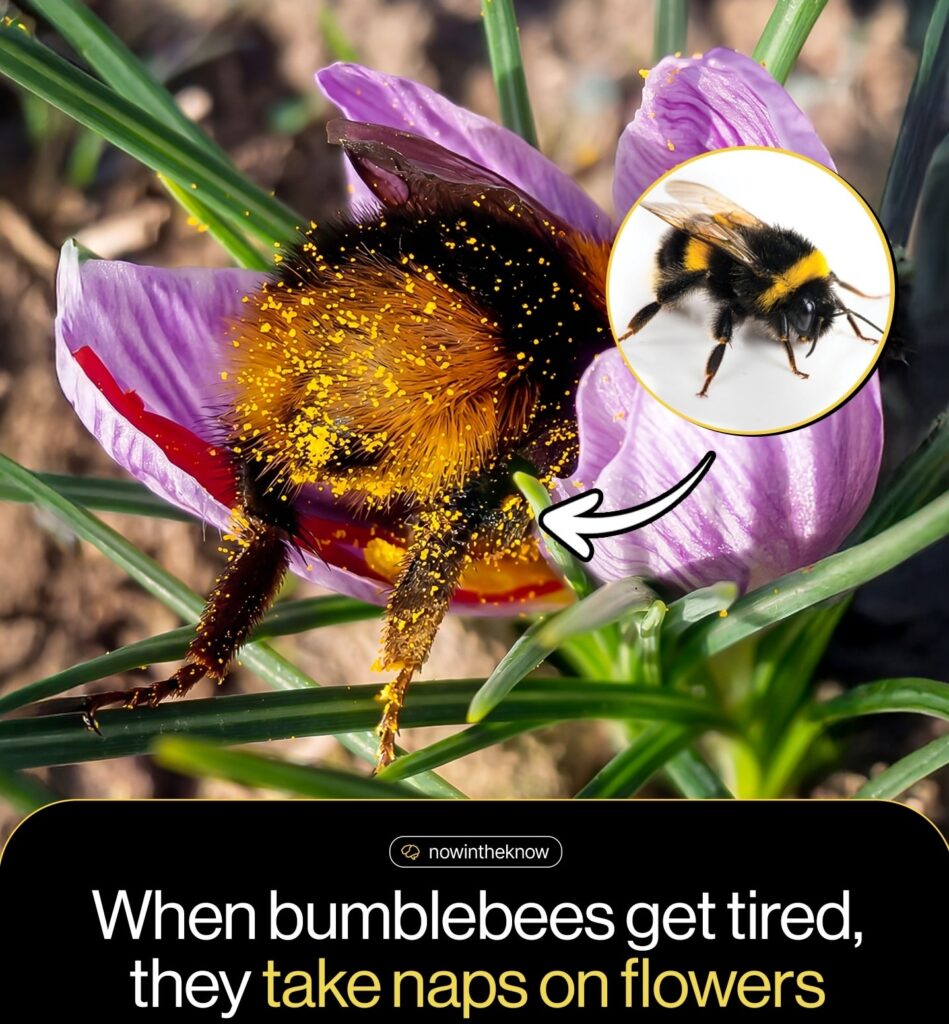
Finding a motionless bee nestled inside a flower blossom can be alarming, but it is usually completely harmless. Most of the time, the insect is simply fast asleep after a long day of foraging.
Different species rest in unique ways. While hive-dwelling honey bees return home to sleep on the honeycomb—often relaxing their muscles so deeply that they tip over—solitary and male bees prefer sleeping outdoors. They curl up right inside flower petals, occasionally sharing a single blossom with other bees to stay warm.
Sleep plays a vital role in a bee’s daily survival. Rested foragers communicate rich food sources effectively through the famous waggle dance, whereas sleep-deprived bees struggle with these navigational directions.
Additional Insights on Bee Behavior and Biology
Beyond their charming sleeping routines, bees possess a remarkably complex social and biological world that ensures the survival of their colonies and local ecosystems.
Worker bees take on numerous critical responsibilities throughout their short lives, transitioning from hive maintenance and nursing larvae to foraging in the open fields. Temperature regulation is another fascinating aspect of hive life; during chilly nights, honey bees cluster tightly together and vibrate their flight muscles to generate heat, protecting the queen and brood.
Furthermore, a bee’s sense of time is heavily tied to circadian rhythms, allowing them to anticipate when specific flowers open and release nectar. Protecting these incredible pollinators by planting native wildflowers and avoiding harmful pesticides ensures they continue resting safely and pollinating our world.